

Mycotoxins In Feed: Challenges and Mitigation Strategies
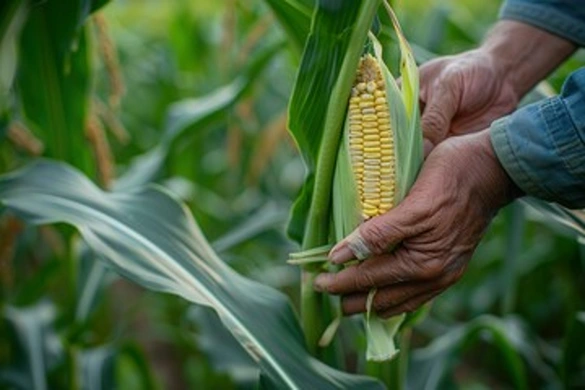
What are Mycotoxins?
Mycotoxins are widespread, such as grain growth, harvesting, storage and on-site feeding management. Mycotoxins are very harmful to poultry, swine and Aqua.
Mycotoxins, toxic secondary metabolites produced by fungi, pose significant health risks to poultry and swine. Their presence in feed can lead to a myriad of adverse effects, severely impacting the health and productivity of livestock.
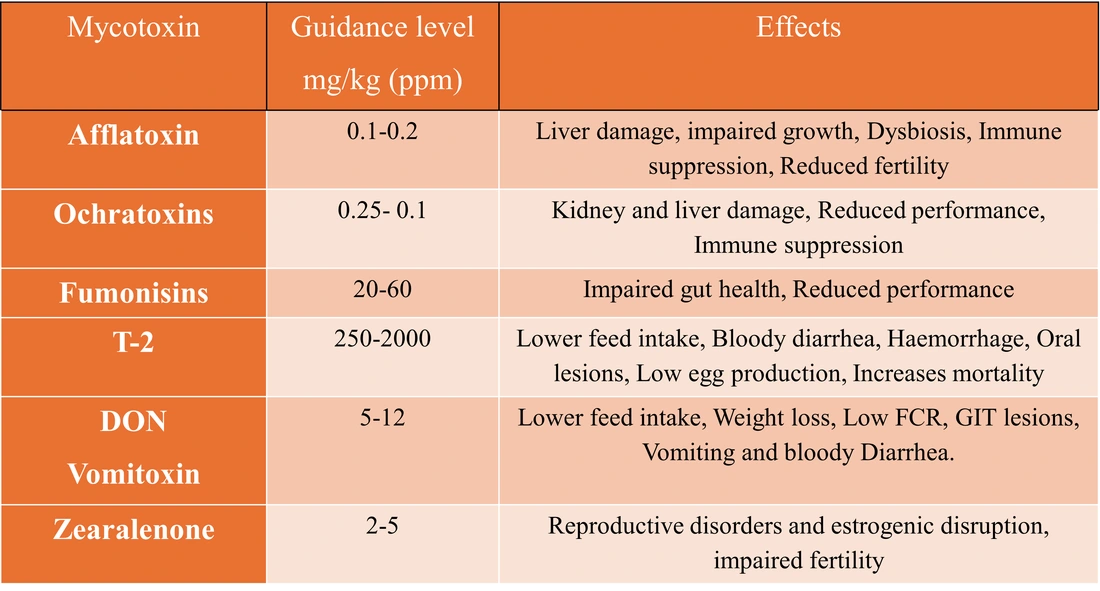
South Asia levels of aflatoxins were highest (70%), followed by ochratoxins (66%), T2 (64%) and FUM (70%). In North America prevalence of ZEN (75%) and DON (73%) were highest.
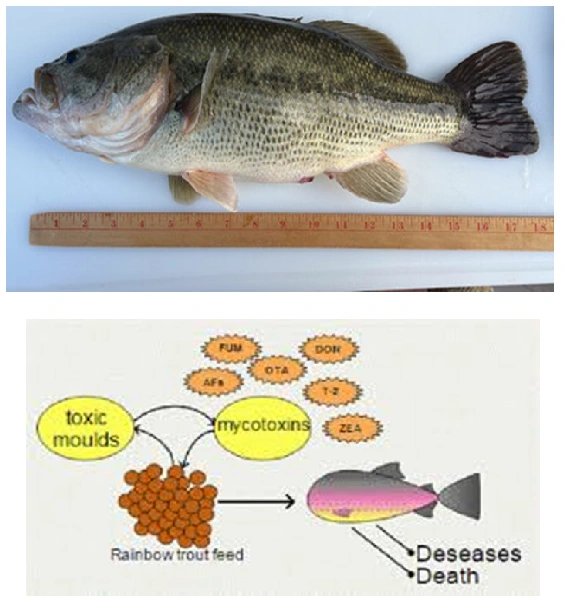 Consequences of mycotoxin:
Mycotoxins, toxic secondary metabolites produced by fungi, can have severe consequences on the health and productivity of fishes and shrimps. These effects can manifest at various levels, impacting growth, immunity, reproduction, and overall survival. Below is a summary of the consequences of mycotoxins in fishes and shrimps:
1. Reduced Growth and Productivity
• Fishes: Mycotoxins like aflatoxins and ochratoxins interfere with feed intake, digestion, and nutrient absorption, leading to stunted growth and poor feed conversion ratios (FCR).
• Shrimps: Aflatoxins and fumonisins impair protein synthesis, affecting molting cycles and growth, leading to smaller sizes and lower yield.
2. Immunosuppression
• Fishes: Mycotoxins compromise the immune system by reducing white blood cell counts and impairing antibody production, making fishes more vulnerable to bacterial, viral, and parasitic infections.
• Shrimps: Immunosuppression weakens the ability to combat pathogens like Vibrio spp., leading to higher mortality rates and diseases like Early Mortality Syndrome (EMS).
3. Organ Damage
• Liver Damage: Both fishes and shrimps suffer from hepatotoxicity, causing liver enlargement, discoloration, and impaired metabolic functions.
• Gills and Kidneys: Ochratoxins and aflatoxins cause lesions and damage to gills and kidneys in fishes, affecting respiration and osmoregulation.
4. Reproductive Impairments
• Fishes: Mycotoxins like zearalenone disrupt endocrine function, leading to poor spawning rates and reduced egg viability.
• Shrimps: Negative effects on molting and reproduction reduce the quality and quantity of nauplii, affecting hatchery productivity.
 Immune System Suppression: Mycotoxins compromise the immune system, damaging lymphatic tissues, liver, and spleen. This immunosuppression makes animals more susceptible to bacterial, viral, and parasitic infections.
- Increased Susceptibility to Diseases: With a weakened immune system, poultry and swine become more vulnerable to diseases, leading to increased morbidity and mortality rates.
- Respiratory Issues: Mycotoxins can lead to respiratory problems, including increased incidence of respiratory infections and reduced lung function.
- Skin and Feather Problems: Mycotoxins can cause dermatitis and poor feathering in poultry, affecting their overall health and appearance.
- Economic Losses: The direct and indirect effects of mycotoxins lead to significant economic losses due to increased veterinary costs, decreased production efficiency, and loss of livestock.
- Behavioural Changes: Mycotoxins can induce stress and behavioral changes in livestock, including reduced feed intake and altered social interactions.
- Impact on Meat and Egg Quality: Mycotoxin contamination can affect the quality of meat and eggs, leading to issues like off-flavors, reduced shelf life, and lower market value.
Our Solution
Consumers
increasingly demand assurance that animal products are cleaned and safe,
leading to a growing preference for natural solutions for mycotoxin mitigation.
Vansh Specialties addresses
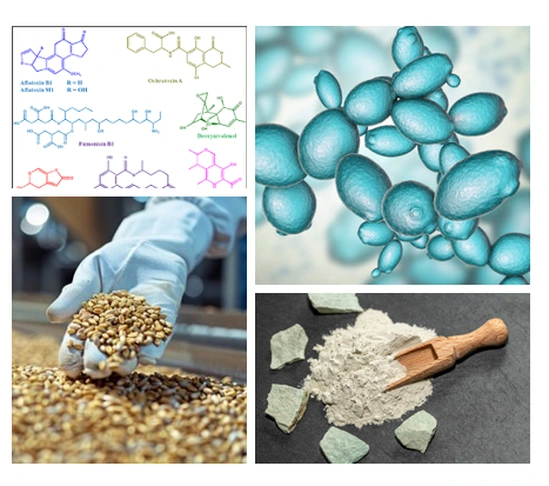
this need by focusing on natural detoxifiers such as Yeast, enzymes and plant
extracts.
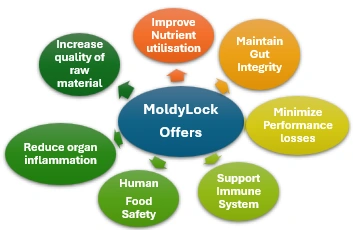
MoldyLock
What is MoldyLock?
Organic mycotoxin binder, highly selective mechanism of action against mycotoxin to mitigate their harmful effects that promotes intestinal health and consequently animal performance.
Mode of Action:
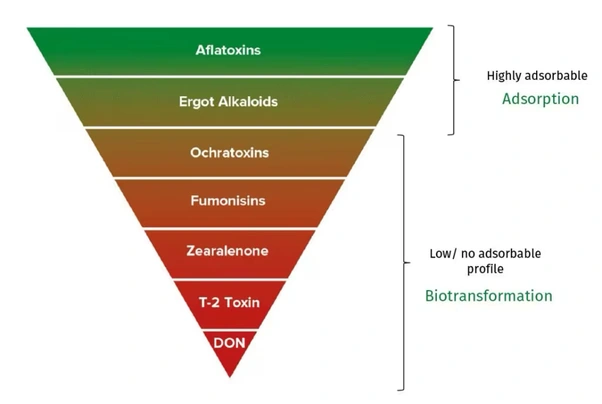
Toxin binders in poultry feed work by altering or adsorbing mycotoxins to reduce their toxicity and enhance excretion. However, clay binders are ineffective against trichothecenes mycotoxins. Biotransformation using microbes and enzymes is more effective, breaking down mycotoxins into non-toxic metabolites.
Microbial methods of mycotoxin directly absorb and metabolise toxins, adsorb/bind them or secrete enzymes that degrade toxins. Additionally, feed additives with plant and algae extracts offer liver protection and counteract immune suppression.
Combining these strategies provides better protection against mycotoxins, especially for multi-mycotoxin contamination in poultry feed.
Key Features of MoldyLock:
- Selectivity for wide range of mycotoxins (DON, ZEN, AFB1, OTA)
- Sparing useful elements eg, macro and Micro minerals, Amino acids.
- Low Effective inclusion rate, High efficacy in mycotoxin binding
- Rapid and uniform dispersion
- Heat stability, Stable at wide pH range for effective mycotoxin binding throughout the gut.
- Biodegradable after excretion